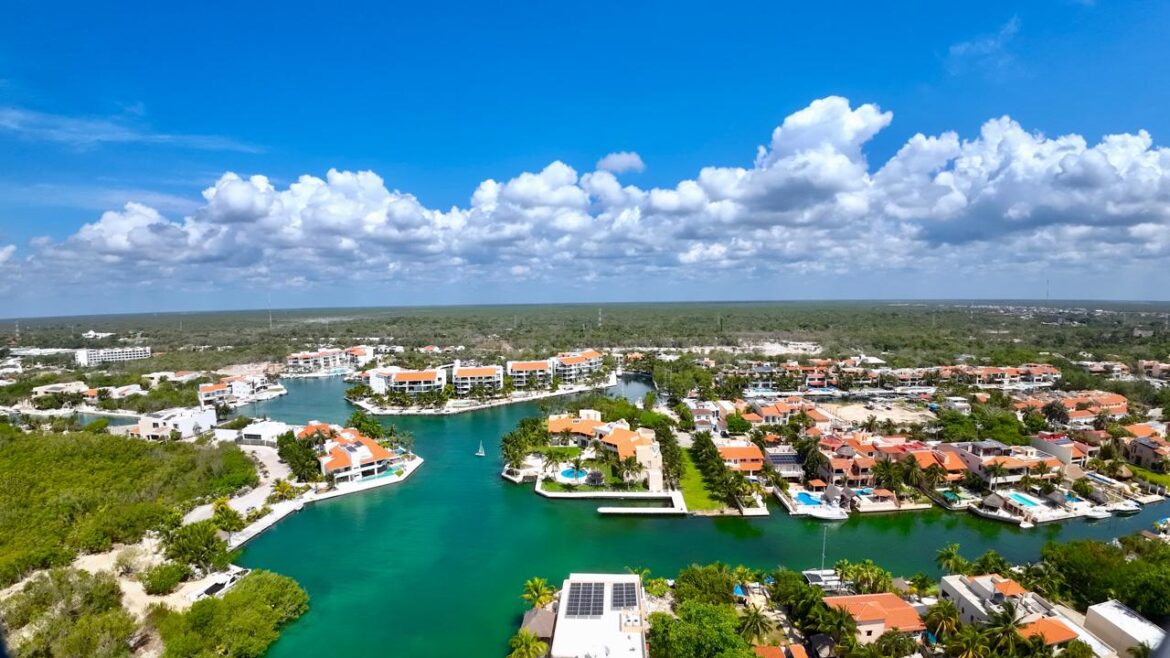

Fideicomiso in Mexico – A Foreigner’s Guide to Buying Property the Right Way
If you’ve ever dreamed of waking up to the turquoise Caribbean Sea in Puerto Aventuras or owning a condo in Playa del Carmen, you’ve probably heard about the “Fideicomiso.” But what exactly is it—and why is it so important for foreign buyers in Mexico?
Let’s break it down simply so you can feel confident investing in Mexican real estate the right way.
What Is a Fideicomiso in Mexico?
A Fideicomiso in Mexico is a bank trust that allows foreigners to legally own property in restricted zones—such as beaches and borders—while fully protecting their rights.
Foreigners can’t directly own land within 50 km (31 miles) of the coast or 100 km (62 miles) of Mexico’s borders, but the Fideicomiso solves this. It lets you hold the title of the property through a Mexican bank as trustee, while you remain the sole beneficiary.
That means you can:
Buy, sell, rent, remodel, or inherit the property.
Enjoy all rights as if you owned it directly.
Have your ownership recognized under Mexican law.
Thousands of foreign investors already use this system to own properties in Puerto Aventuras, Playa del Carmen, Tulum, and Puerto Cancun—Mexico’s top real estate hotspots.

How the Fideicomiso Works Step by Step
Understanding how the Fideicomiso in Mexico works will help you avoid confusion during your purchase process.
1. Choose Your Property
Start by finding your dream home: maybe a marina-view condo in Puerto Aventuras, a beachfront villa in Tulum, or a luxury apartment in Puerto Cancun.
Your real estate agent will help confirm that the property is eligible for foreign ownership through a Fideicomiso.
2. Request the Fideicomiso Permit
Your notary or agent applies for authorization from Mexico’s Ministry of Foreign Affairs (SRE). This step allows a Mexican bank (like Banamex, Scotiabank, or BBVA) to hold the property title in trust for you.
3. Sign the Trust Agreement
The bank creates the trust contract where:
You are the beneficiary.
The bank acts as the trustee.
The property is registered in your name within the trust.
This gives you total control: you can sell, lease, or transfer the property whenever you wish.
4. Close the Deal with a Notary
The closing process happens before a certified Notary Public (Notario) who verifies that all legal requirements are met. Once registered in the Public Registry of Property, the property officially becomes yours through the trust.
5. Renew and Manage the Trust
The Fideicomiso lasts 50 years, renewable indefinitely. You can name heirs, transfer rights, or sell your property anytime without losing ownership continuity.
Benefits of a Fideicomiso for Foreign Buyers
A Fideicomiso in Mexico gives you the same security and control as direct ownership—plus additional benefits:
✅ Legal protection: The trust guarantees your property is yours under Mexican law.
🏦 Bank oversight: Major banks act only as trustees, not owners.
💰 Investment security: You can sell or rent your home freely.
👨👩👧 Inheritance benefits: You can designate beneficiaries in the trust—avoiding probate.
♻️ Renewable forever: Extend ownership every 50 years easily.
🌍 Global recognition: Trusted by investors worldwide in Riviera Maya real estate
Costs and Timeframe of Setting Up a Fideicomiso
Setting up a Fideicomiso in Mexico is affordable compared to other international property systems.
Setup cost: Around $1,000–$1,500 USD (one-time).
Annual maintenance: About $400–$700 USD, depending on the bank.
Timeframe: Usually 4–6 weeks to complete the process.
Given the rising property values in Playa del Carmen, Tulum, and Puerto Aventuras, these costs are minimal compared to the long-term benefits and ROI.
Where It Applies – Mexico’s “Restricted Zone”
If you’re buying property in areas like Puerto Aventuras, Tulum, or Puerto Cancun, you’ll almost certainly use a Fideicomiso, since these are within the restricted coastal zone.
However, if you buy inland (e.g., in Mérida or Mexico City), you can hold the title directly in your name without needing a trust.
👉 For verified properties already prepared for foreign buyers, visit
PropertiesBayMX agents in Riviera Maya.
Common Myths About the Fideicomiso
Myth 1: “The bank owns my property.”
False — you own it. The bank is legally prohibited from using or selling your property.Myth 2: “It’s complicated or risky.”
Not at all. It’s a standard process used safely by thousands of expats each year.Myth 3: “You lose ownership after 50 years.”
No, you simply renew the trust for another 50 years, keeping full rights.FAQs About the Fideicomiso in Mexico
Q1: Can I sell my Fideicomiso property to another foreigner?
Yes. The buyer simply continues or creates a new trust under their name.
Q2: What happens if the bank changes or closes?
The trust automatically transfers to another authorized bank without affecting your ownership.
Q3: Can I include multiple beneficiaries in my trust?
Yes, you can add your spouse, children, or anyone you wish as co-beneficiaries.
Conclusion – Safe, Legal, and Simple Ownership
Owning a property in Mexico is safe and legal when you use a Fideicomiso.
Whether you dream of a condo for sale in Playa del Carmen, a villa in Tulum, or a marina home in Puerto Aventuras, the Fideicomiso guarantees that your investment is protected by law.This system has made Mexico’s Riviera Maya real estate one of the most attractive markets for international buyers.
For professional help, contact the agents at PropertiesBayMX or watch our YouTube Channel for property insights and video tours.